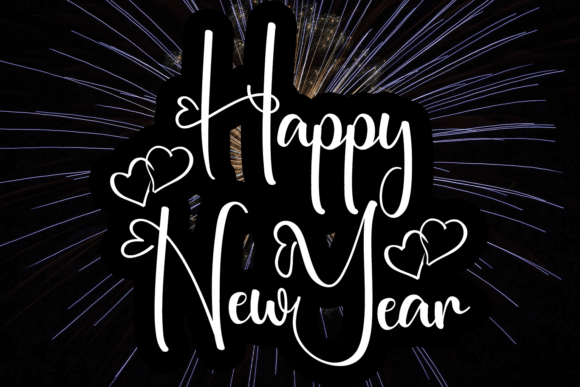
Happy New Year
The phrase Happy New Year carries with it a sense of renewal, hope, and celebration. It’s more than just a greeting; it’s a symbol of fresh beginnings and the opportunity to reset, reflect, and set intentions for the future. While it's commonly associated with the end-of-year festivities, its significance extends beyond mere tradition. When used thoughtfully, Happy New Year can be a powerful element in design—offering both sophistication and asymmetry that elevate visual communication.
In today’s world, where personalization and creativity are highly valued, Happy New Year has found its way into a variety of contexts. From wedding invitations to business cards, this phrase is being reimagined in ways that feel both elegant and modern. Its versatility makes it a popular choice among designers, event planners, and even corporate professionals looking to add a touch of warmth and originality to their work.
Where Does Happy New Year Fit Best?
Wedding Invitations: A Happy New Year theme can be especially fitting for couples who want to start their marriage with a celebratory tone. Whether it’s through a custom font, a unique color palette, or an asymmetrical layout, this phrase can bring a sense of joy and optimism to the invitation. The contrast between the traditional "Mr. and Mrs." format and the playful yet sophisticated "Happy New Year" adds a memorable twist.
Thank You Cards: After a big event or gift, a thank you card featuring Happy New Year can convey gratitude in a way that feels both personal and timely. This is particularly effective when paired with handwritten notes or unique illustrations that reflect the occasion.
Business Cards: For professionals in creative industries, using Happy New Year on business cards can help make a lasting impression. It signals a person who values innovation and isn’t afraid to think outside the box. The asymmetrical placement of the text or the use of subtle design elements can create a visually striking effect.
Quotes and Greeting Cards: Happy New Year is often used as a starting point for motivational quotes or seasonal greetings. When designed with attention to detail, these cards can serve as meaningful keepsakes or gifts. They’re also great for social media sharing, where aesthetics play a key role in engagement.
Logos and Branding: Some brands choose to incorporate Happy New Year into their logos during specific seasons or events. This can be an excellent way to connect with customers on an emotional level while reinforcing brand identity. However, it’s important to ensure that the phrase aligns with the brand’s overall message and image.
Considerations Before Using Happy New Year
While Happy New Year offers many creative possibilities, there are some factors to consider before incorporating it into your design or communication strategy.
- Cultural Relevance: In some cultures, Happy New Year may not carry the same weight or meaning. It’s important to understand the context and audience before using it in a global or multicultural setting.
- Contextual Appropriateness: The phrase is most effective in situations that call for celebration or reflection. Using it inappropriately could come across as out of place or even confusing.
- Design Balance: While asymmetry can be visually appealing, it’s crucial to maintain balance in the overall composition. Too much asymmetry might distract from the main message or reduce readability.
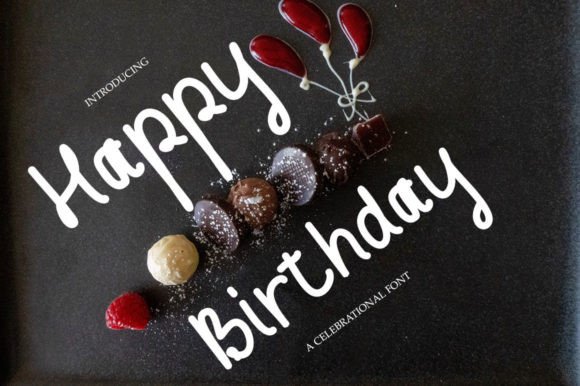
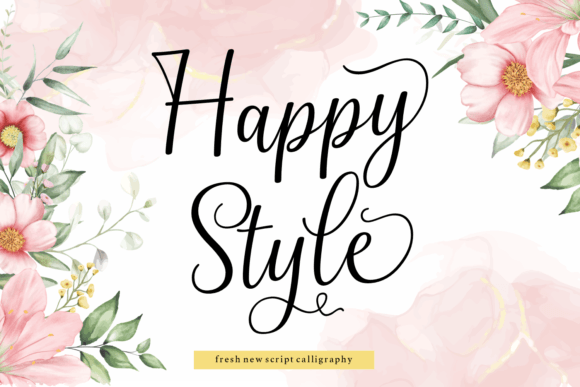
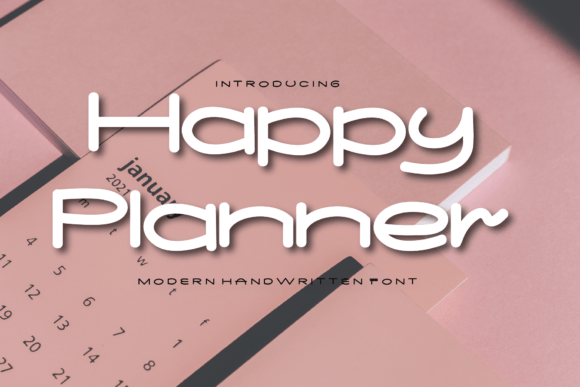
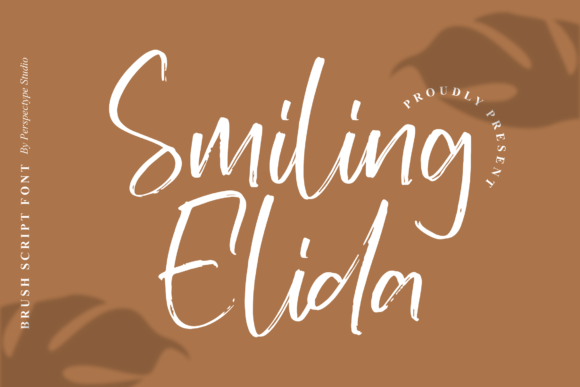
- Typography Choices: The right font can enhance the impact of Happy New Year. Choosing a font that complements the design and reflects the intended tone is essential for creating a cohesive look.
Despite these considerations, the benefits of using Happy New Year are numerous. It allows for creative expression, adds a personal touch, and can help establish a connection with the audience. Whether it’s for a special event or a professional project, the phrase has the power to make a statement.
Real-World Applications and Benefits
Event Planning: Event planners often use Happy New Year as a central theme for holiday parties, galas, and other celebrations. It provides a unifying message that guests can relate to and enjoy. Incorporating the phrase into décor, signage, and promotional materials can create a cohesive and immersive experience.
Marketing Campaigns: Brands that launch new products or services around the holiday season can leverage Happy New Year to build excitement and anticipation. It’s a natural way to tie marketing efforts to the spirit of the season without feeling forced.
Personal Projects: Individuals looking to create personalized items—like calendars, photo albums, or custom artwork—can use Happy New Year as inspiration. It’s a versatile phrase that can be adapted to suit a wide range of styles and preferences.
Educational Materials: Schools and educational institutions sometimes use Happy New Year to kick off the academic year with positivity and enthusiasm. It can be incorporated into lesson plans, school newsletters, or student projects to encourage a fresh start.
Health and Wellness: Fitness centers, wellness studios, and health-focused businesses often use Happy New Year as a reminder to set new goals and embrace healthy habits. It serves as a motivational tool that encourages people to take action and stay committed.
Each of these scenarios highlights how Happy New Year can be applied in different ways to meet specific needs and goals. The key is to use it thoughtfully and intentionally, ensuring that it resonates with the intended audience.
Whether you're designing a card, planning an event, or launching a campaign, Happy New Year offers a unique opportunity to blend tradition with creativity. Its ability to inspire, engage, and uplift makes it a valuable asset in any design or communication effort.