Hinadati: A Handwritten Font That Brings Personality to Digital Design
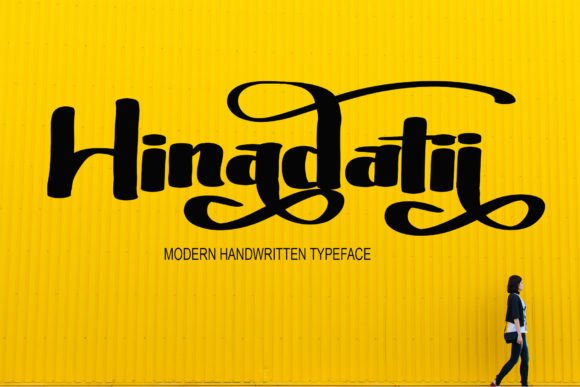
In an era where digital design is more important than ever, the right font can make all the difference. Hinadati is a handwritten typeface that stands out for its simplicity, versatility, and stylish appeal. Created using a tablet, this font captures the natural flow of handwriting while maintaining a clean and professional look. Whether you're designing a website, crafting wedding invitations, or creating eye-catching advertisements, Hinadati offers a unique way to add personality to your projects without sacrificing readability.
As creative professionals and businesses seek ways to stand out in a crowded digital landscape, the demand for fonts that feel personal and authentic has grown. Hinadati meets this need by blending the warmth of hand-drawn text with the precision of digital typography. Its adaptability makes it suitable for a wide range of applications, from business cards to product ads, making it a valuable tool for designers and marketers alike.
The Rise of Handwritten Fonts in Modern Design
The popularity of handwritten fonts like Hinadati reflects a broader trend in design toward authenticity and human connection. In a world dominated by sleek sans-serif and minimalist typefaces, there's a growing appreciation for fonts that convey emotion, character, and individuality. This shift is especially noticeable in branding, marketing, and content creation, where visual elements play a crucial role in capturing attention and building trust.
Handwritten fonts are particularly effective in scenarios where a personal touch is desired. For instance, wedding invitations often use handwritten styles to evoke intimacy and warmth. Similarly, business cards and logos benefit from the uniqueness of a handwritten font, helping brands stand out in a competitive market. Hinadati, with its clean lines and elegant curves, offers the perfect balance between casual charm and professional polish.
Why Hinadati Stands Out Among Handwritten Fonts
While many handwritten fonts exist, Hinadati distinguishes itself through its simplicity and versatility. Unlike some cursive or script fonts that can be difficult to read, Hinadati maintains legibility even at smaller sizes. This makes it ideal for both print and digital media, ensuring that your message remains clear and impactful regardless of the medium.
Additionally, the fact that Hinadati was created using a tablet adds a layer of authenticity. Tablet-based handwriting allows for subtle variations in stroke thickness and pressure, giving the font a natural, organic feel. These nuances contribute to its stylish appearance, making it visually appealing without being overly ornate.
For designers, this means they can use Hinadati across various platforms—whether it's for web design, graphic projects, or social media content—without worrying about how it will render on different devices or screen sizes. Its adaptability ensures that it remains a reliable choice for both everyday use and special occasions.
Practical Applications of Hinadati in Everyday Design
Hinadati's versatility makes it a go-to font for a variety of design needs. Here are just a few practical examples of how it can be used:
- Websites: Incorporating Hinadati into website headers, call-to-action buttons, or navigation menus can add a friendly and approachable feel to your brand's online presence.
- Wedding Invitations: The soft, flowing style of Hinadati makes it an excellent choice for wedding stationery, helping to create a romantic and personalized atmosphere.
- Business Cards: Using Hinadati on business cards can help professionals stand out, offering a memorable and distinctive visual identity.
- Signatures: Many people prefer handwritten signatures for their authenticity. Hinadati can be used as a digital signature font, providing a professional yet personal touch.
- Advertisements: From product ads to promotional materials, Hinadati's stylish yet readable design helps capture attention without overwhelming the viewer.
These examples illustrate how Hinadati can be seamlessly integrated into different aspects of design. Its ability to adapt to various contexts makes it a valuable asset for anyone looking to enhance their visual communication.
How Hinadati Fits Into Current Design Trends
Design trends are constantly evolving, but one consistent theme is the desire for authenticity and emotional engagement. In recent years, there has been a noticeable shift toward fonts that feel more human and less mechanical. This trend is driven by the increasing importance of user experience (UX) and the need for content that resonates on a personal level.
Hinadati aligns perfectly with these trends. Its handwritten origin gives it a sense of authenticity that appeals to modern audiences. At the same time, its clean and structured design ensures that it remains functional and easy to read. This combination of style and usability makes it an excellent choice for designers who want to create content that feels both personal and professional.
Moreover, the rise of remote work and digital collaboration has increased the demand for versatile fonts that can be used across multiple platforms. Hinadati's compatibility with digital tools and its ability to maintain clarity on screens make it well-suited for today's fast-paced, tech-driven workflows.
Creating with Hinadati: Tips and Recommendations
If you're considering using Hinadati in your next project, here are a few tips to help you get the most out of this font:
- Use It Sparingly: While Hinadati is visually appealing, it's best used in moderation. Overusing a handwritten font can make your design look cluttered or unprofessional.
- Pair It with Complementary Fonts: To maintain balance, pair Hinadati with a more traditional sans-serif or serif font for body text. This creates contrast and enhances readability.
- Experiment with Sizes and Weights: Try different sizes and weights of Hinadati to see how it looks in various contexts. Larger sizes work well for headings, while smaller sizes can be used for accents or emphasis.
- Consider Color and Background: The color and background of your design can affect how Hinadati appears. Light colors may require darker text for visibility, while dark backgrounds may call for lighter tones.
By following these guidelines, you can ensure that Hinadati enhances your design rather than detracts from it. Its flexibility and stylistic appeal make it a great choice for a wide range of creative endeavors.
The Future of Handwritten Fonts in Design
As technology continues to advance, the line between digital and handcrafted design is becoming increasingly blurred. Tools like stylus tablets and digital drawing apps have made it easier than ever to create handwritten fonts that retain the essence of real pen strokes. Hinadati is a prime example of how these technologies are shaping the future of typography.
Looking ahead, we can expect to see more fonts like Hinadati that combine the best of both worlds—handwritten authenticity and digital precision. As designers and creators continue to seek ways to differentiate themselves in a saturated market, the demand for unique and expressive typefaces will only grow.
Whether you're a professional designer, a small business owner, or simply someone who enjoys creative expression, Hinadati offers a powerful way to bring your ideas to life. Its simple yet stylish design, combined with its versatility and ease of use, makes it a valuable addition to any designer's toolkit.