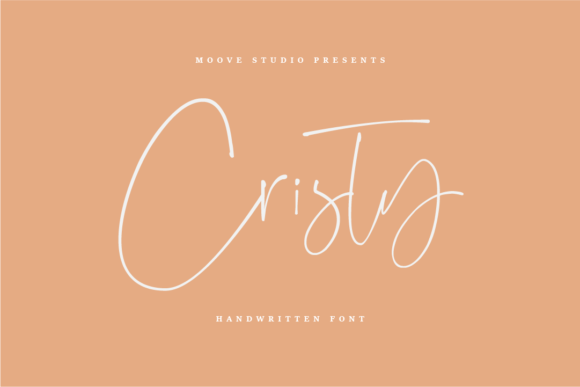
Introducing Cristy: A Thin and Elegant Handwritten Font for Modern Design Projects
In the ever-evolving world of design, typography plays a crucial role in shaping the visual identity of brands, projects, and creative endeavors. As professionals and creators continue to seek unique ways to stand out, the demand for distinctive fonts has never been higher. One font that has recently captured attention is Cristy, a thin and elegant handwritten typeface that brings a sense of personality and charm to a wide range of design applications.
What Is Cristy?
Cristy is a beautifully crafted handwritten font that mimics the natural flow of human handwriting. Its delicate strokes and organic curves give it an air of authenticity and warmth, making it ideal for projects that require a personal touch. Unlike more rigid or formal fonts, Cristy exudes a sense of approachability and creativity, which makes it a versatile choice across various industries.
This font is designed with precision and care, ensuring that it maintains readability while still preserving its artistic flair. Whether used in logos, business cards, invitations, or even digital content, Cristy adds a layer of sophistication that can elevate any design.
The Role of Typography in Modern Design
Typography is more than just choosing a font; it's about conveying tone, emotion, and brand identity through text. In today’s visually driven market, businesses and creators are increasingly aware of the importance of typography in creating a memorable impression. With the rise of digital media, branding has become more nuanced, requiring fonts that not only look good but also align with the values and aesthetics of a brand.
Cristy fits perfectly into this landscape. Its minimalist yet expressive nature allows it to be used in both traditional and digital formats. From print materials to web-based content, Cristy adapts well to different mediums, ensuring consistency across platforms.
Why Cristy Is Gaining Attention
Several factors contribute to the growing interest in Cristy. First, there is a rising trend toward personalization and authenticity in design. Consumers today are drawn to brands that feel genuine and relatable, and typography plays a key role in achieving that connection. Fonts like Cristy help create a more humanized and approachable image, which resonates with modern audiences.
Second, the shift toward remote work and digital collaboration has increased the need for tools that streamline creative workflows. Designers and marketers are looking for fonts that are easy to use, integrate seamlessly with design software, and offer flexibility in terms of customization. Cristy meets these criteria by being lightweight, scalable, and compatible with most design platforms.
Finally, the influence of social media and content marketing has made typography an essential component of visual storytelling. Brands are using short-form content, such as Instagram posts, TikTok videos, and email newsletters, to engage with their audience. In these formats, a well-chosen font like Cristy can make a significant difference in how a message is received and perceived.
Practical Applications of Cristy
Cristy is not limited to a single use case; rather, it is a font that can be adapted to fit a variety of creative needs. Here are some practical examples of how Cristy can be used effectively:
- Logos and Branding: Cristy’s elegance and uniqueness make it an excellent choice for logos that aim to convey creativity, artistry, or a personal touch. It works particularly well for small businesses, startups, and creative agencies looking to establish a distinct visual identity.
- Business Cards: In a competitive market, first impressions matter. Using Cristy on business cards can help professionals stand out by adding a refined and professional aesthetic to their contact information.
- Invitations and Event Materials: Whether it’s a wedding invitation, a product launch event, or a corporate gathering, Cristy can add a touch of class and originality to printed or digital invitations.
- Web and Mobile Design: Cristy’s clean lines and readability make it suitable for use in websites, mobile apps, and digital campaigns. It can be used for headings, call-to-action buttons, or even in body text for a more conversational tone.
- Marketing and Advertising: From posters to social media ads, Cristy can enhance the visual appeal of marketing materials. Its handwritten style gives a sense of intimacy and trust, which can be especially effective in campaigns targeting younger, digitally savvy audiences.
Connecting to Broader Trends in Design and Technology
The popularity of Cristy is not an isolated phenomenon; it reflects broader trends in design and technology. As the design industry moves toward more human-centered approaches, there is a growing emphasis on fonts that feel authentic and emotionally engaging. This aligns with the rise of “human-centric design,” where the focus is on creating experiences that resonate with users on a personal level.
Additionally, the increasing use of artificial intelligence and machine learning in design tools has led to a greater appreciation for fonts that can be easily customized and integrated into automated workflows. Cristy, with its versatility and ease of use, is well-suited for these evolving technologies, allowing designers to experiment and iterate quickly without compromising on quality.
On the consumer side, there is a growing preference for minimalism and simplicity in design. This trend is evident in everything from user interfaces to packaging, where clean and uncluttered visuals are favored. Cristy’s thin and elegant style aligns with this aesthetic, offering a balance between simplicity and expressiveness.
The Future of Handwritten Fonts in Design
As we look ahead, the role of handwritten fonts like Cristy is likely to expand further. With the continued growth of digital media and the increasing demand for personalized experiences, there will be more opportunities for fonts that blend creativity with functionality.
Moreover, as sustainability becomes a key consideration in design, there is a growing movement toward using fonts that are not only visually appealing but also environmentally friendly. Many designers are now prioritizing fonts that require less processing power and have a smaller digital footprint. Cristy, being a lightweight font, contributes to this trend by offering performance without sacrificing style.
In conclusion, Cristy is more than just a font—it’s a reflection of current design sensibilities and future possibilities. Its ability to adapt to different contexts, combined with its elegant and handwritten character, makes it a valuable asset for professionals and creatives alike. Whether you're designing a logo, crafting an invitation, or building a website, Cristy offers a unique way to bring your vision to life in a way that feels both personal and professional.