Baby Kids Font: A Playful Touch for Creative Designs
Looking for a font that brings charm, character, and a touch of whimsy to your creative projects? Baby Kids is the perfect choice. This display font combines fun with finesse, making it ideal for a wide range of design applications. Whether you're crafting invitations, designing logos, or creating social media graphics, Baby Kids adds a unique personality that stands out.
A Closer Look at Baby Kids
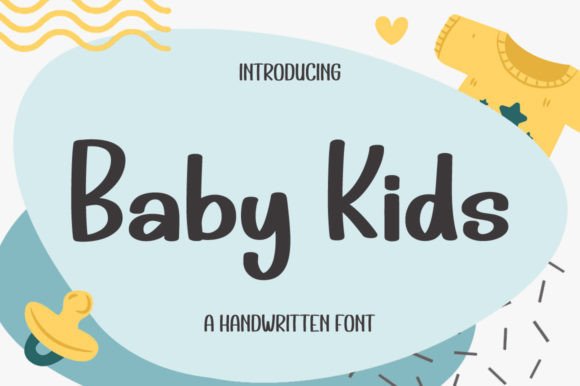
Baby Kids is a playful yet sophisticated typeface that balances cuteness with clarity. Its rounded edges and soft curves give it a friendly, approachable look, while its clean lines ensure readability even in larger sizes. The font has a hand-drawn feel without sacrificing professionalism, making it versatile for both digital and print formats.
The visual characteristics of Baby Kids include gentle ascenders and descenders, which add a sense of movement and energy. It's available in multiple weights and styles, allowing for creative flexibility. The font’s personality is cheerful and youthful, but not overly childish—perfect for brands aiming to convey warmth and approachability.
Where Baby Kids Shines in Design
Baby Kids works exceptionally well in projects that require a personalized and engaging visual style. Here are some of the best places to use this font:
- Invitations and Greeting Cards: The font's playful nature makes it ideal for birthdays, baby showers, and other celebratory events.
- Logos and Branding: Use Baby Kids to create a brand identity that feels warm and inviting, especially for children’s products or family-oriented businesses.
- Social Media Graphics: Add a pop of personality to your posts with Baby Kids, whether you're promoting a product or sharing a message.
- Editorial Design: Incorporate Baby Kids into headlines or pull quotes for a fresh, eye-catching look in magazines, blogs, or newsletters.
- Packaging Design: Use the font on product labels or packaging to create a sense of fun and approachability.
Its versatility also makes it a great fit for web design, where it can be used for headings, call-to-action buttons, or as part of a larger font pairing strategy.
Designing with Baby Kids: Tips and Considerations
When choosing Baby Kids for your project, consider how it interacts with other design elements. While it’s a display font, it should be paired with more readable fonts for body text. For example, using Baby Kids for headlines and a sans-serif font like Helvetica or Arial for body copy ensures a balanced and professional layout.
Readability is key when using any display font. Avoid using Baby Kids for long paragraphs or small text sizes. Instead, reserve it for short, impactful phrases or titles where its playful style can shine. Testing different font pairings in real-world scenarios will help you determine the best match for your specific needs.
Also, consider the context of your project. Baby Kids may not be appropriate for formal documents or highly technical content, but it excels in creative and marketing materials where a friendly tone is desired.
Choosing the Right Style and Licensing
Before using Baby Kids, review the available styles and weights to ensure they align with your project’s needs. Some versions may offer additional features such as alternate characters or stylistic sets, which can enhance your design further.
If you’re planning to use Baby Kids for commercial purposes, make sure you have the correct licensing. Many premium fonts require a license for use in print or digital media, so check the terms provided by the font designer or distributor.
For personal projects or small-scale use, many fonts offer free or affordable options. Always verify the usage rights to avoid legal issues down the line.
Remember, the goal is to use Baby Kids in a way that enhances your message and supports your brand’s voice. It should never overshadow the content or compromise the overall design integrity.
Whether you're a designer, marketer, or small business owner, Baby Kids offers a unique opportunity to infuse your work with personality and creativity. By understanding its strengths and limitations, you can use it effectively across a variety of design applications.