Groovy Font: A Playful Touch for Creative Projects
Groovy is more than just a font—it's a statement. With its retro charm and playful curves, it brings a sense of fun and nostalgia to any design. Whether you're crafting a thank you card, designing a poster, or branding a new business, Groovy offers a unique style that stands out. Its versatility makes it a go-to choice for creatives looking to add personality without sacrificing clarity.
What Is Groovy?
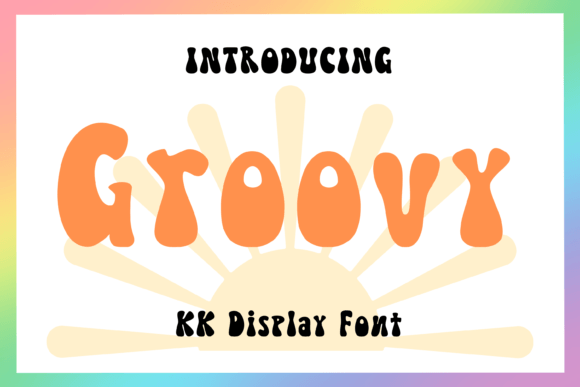
Groovy is a display font known for its whimsical and retro aesthetic. It features rounded edges, soft curves, and a hand-drawn feel that gives it an approachable and friendly appearance. Unlike more traditional fonts, Groovy adds a touch of character and emotion to text, making it ideal for projects where visual appeal is key.
Designed with creativity in mind, Groovy is available in multiple weights and styles, allowing users to adapt it to various applications. From bold headlines to subtle accents, this font can be used creatively across different media types.
Why Different Audiences Care About Groovy
The appeal of Groovy varies depending on the user’s needs and goals. For some, it’s about aesthetics; for others, it's about practicality. Let’s explore how different audiences may find value in using Groovy.
Beginners and Hobbyists
For beginners in graphic design or typography, Groovy offers an accessible entry point into creative expression. Its distinctive look allows even those with limited experience to create eye-catching designs without needing advanced skills. Hobbyists who enjoy DIY projects, such as handmade cards or custom logos, will appreciate how easy it is to incorporate Groovy into their work.
Example: A beginner might use Groovy to create a birthday card for a friend, adding a personal and fun twist to the message.
Creative Professionals and Designers
Experienced designers often seek fonts that offer both uniqueness and flexibility. Groovy provides a refreshing alternative to standard sans-serif or serif fonts, helping to elevate the visual impact of a project. Its retro vibe can evoke a sense of nostalgia, which is particularly useful in branding or marketing materials targeting older demographics or vintage-themed campaigns.
Example: A designer working on a retro-themed poster for a music festival could use Groovy to create a headline that captures the event’s nostalgic energy.
Entrepreneurs and Business Owners
Business owners looking to build a brand identity may find Groovy useful for creating memorable logos or promotional materials. The font's playful nature can help convey a brand's personality—whether it's youthful, innovative, or community-focused. However, it's important to consider the context; Groovy may not be suitable for all industries, especially those requiring a more formal tone.
Example: A small café owner might use Groovy in their logo to communicate a fun and welcoming atmosphere.
Marketers and Bloggers
Marketers and bloggers often rely on visual elements to engage their audience. Groovy can be used to highlight quotes, emphasize key points, or add a creative flair to social media posts or blog headers. Its readability ensures that messages remain clear, even when used for attention-grabbing purposes.
Example: A blogger writing about retro fashion could use Groovy in their article header to match the theme and draw readers in.
Educators and Publishers
For educators and publishers, Groovy can be a valuable tool for creating visually appealing educational materials or children’s books. Its cute and approachable style helps capture the attention of younger audiences while maintaining legibility. It can also be used in classroom posters or presentations to make content more engaging.
Example: An educator designing a classroom poster about environmental awareness might use Groovy to create a catchy headline that encourages student participation.
Choosing Groovy: Consider Your Needs
While Groovy is versatile, it’s important to evaluate whether it aligns with your specific project requirements. Here are some factors to consider:
- Use Case: Is Groovy appropriate for the type of content you’re creating? It works well for short phrases and headlines but may not be ideal for long blocks of text.
- Audience: Who will see your design? Groovy may resonate more with younger or more casual audiences than professional or formal ones.
- Brand Identity: Does the font reflect the values and personality of your brand? If your brand is playful and modern, Groovy could be a great fit.
- Legibility: While Groovy is stylish, ensure that it remains readable in your chosen size and context.
By considering these factors, you can determine if Groovy is the right choice for your next project.
Getting Started with Groovy
If you're ready to try Groovy, there are several ways to access it. Many font websites offer free or paid versions of Groovy, so you can choose based on your budget and needs. Once downloaded, you can use it in graphic design software like Adobe Illustrator or Photoshop, or in web development tools like CSS.
Experimenting with different styles and sizes can help you discover how Groovy fits into your workflow. Don’t be afraid to mix it with other fonts to create a balanced and dynamic design.
Whether you're a beginner or a seasoned designer, Groovy offers a fun and unique way to express creativity. Its retro charm and versatility make it a valuable addition to any designer’s toolkit. So why not give it a try and see how it transforms your next project?