Bestie: A Handwritten Font for Creative Design
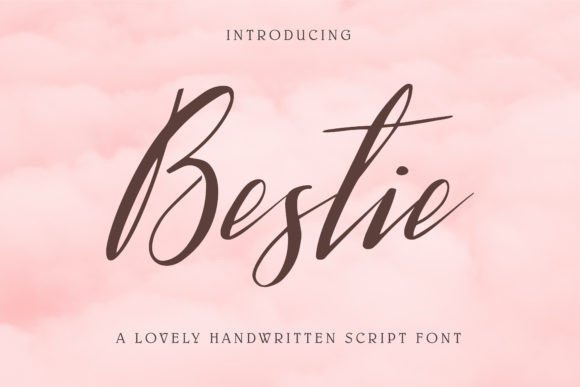
Design is more than just visuals—it's about communication, emotion, and connection. Whether you're crafting a logo, designing wedding invitations, or creating social media content, the right font can make all the difference. Bestie, a beautiful handwritten font, offers a unique blend of elegance and approachability that makes it ideal for a wide range of creative projects. Its natural, flowing style brings warmth and personality to any design, making it a favorite among professionals and hobbyists alike.
The Charm of Bestie in Modern Design
In today’s digital age, where clean, sans-serif fonts dominate many screens, Bestie stands out with its organic feel. It mimics the look of real handwriting, giving your designs a personal touch that feels authentic. This makes it especially useful for branding efforts that aim to build trust and familiarity with an audience.
For instance, a small business owner looking to create a memorable brand identity might use Bestie in their logo or packaging. The font conveys a sense of care and individuality, which can be particularly appealing in industries like boutique retail, wellness, or artisanal crafts.
Why Bestie Works for Wedding Invitations
Wedding invitations are more than just announcements—they’re the first glimpse into the couple’s style and personality. Bestie brings a soft, romantic aesthetic that complements traditional and modern themes alike. Its graceful curves and gentle slant evoke a sense of intimacy and celebration.
Imagine using Bestie for the main text on a wedding invitation while pairing it with a clean sans-serif font for readability. This contrast ensures the design is both visually engaging and easy to read, striking the perfect balance between form and function.
Bestie in Branding and Business Communication
Consistency in branding is key to building recognition. Bestie can be used across various brand materials—business cards, letterheads, and even website headers—to maintain a cohesive visual identity. Its versatility allows it to fit well with both minimalist and ornate design styles.
Entrepreneurs and marketers may find Bestie especially valuable when launching a new product line or rebranding effort. It adds a human element to otherwise technical or formal content, helping to forge emotional connections with customers.
- Business Cards: A handwritten font can make a lasting impression. Using Bestie on a business card helps your name and contact information stand out from the crowd.
- Email Signatures: Incorporating Bestie into email signatures can add a personal touch, making professional communication feel more approachable.
- Social Media Posts: With its eye-catching appeal, Bestie is perfect for headlines and captions that need to grab attention quickly.
Bestie for Personal and Creative Projects
Not all design work is for businesses—many individuals enjoy using fonts like Bestie for personal or creative endeavors. From greeting cards to planner prints, this font adds a sense of charm and individuality to everyday items.
Crafters and artists often seek fonts that allow them to express their creativity without compromising readability. Bestie provides just that. It works well for journaling, scrapbooking, and other DIY projects where a personal touch is essential.
Additionally, educators and bloggers may appreciate how Bestie enhances the visual appeal of worksheets, newsletters, or blog headers. It makes content more inviting and easier to engage with, encouraging readers to spend more time on the material.
When to Use Bestie and What to Consider
While Bestie is incredibly versatile, it’s important to consider the context in which it will be used. For example, in highly technical documents or data-heavy presentations, a more structured font might be more appropriate. However, for creative or emotionally driven content, Bestie shines.
Another consideration is legibility. While Bestie has a lovely appearance, it may not be the best choice for long blocks of text due to its stylized nature. When using it in larger projects, it’s wise to pair it with a complementary font that improves readability without sacrificing the overall aesthetic.
Designers should also keep in mind that Bestie may not be suitable for all audiences. In some professional settings, a more formal font could be preferred. However, for those targeting younger demographics or niche markets, the whimsical nature of Bestie can be a powerful asset.
Conclusion
Bestie is more than just a font—it’s a tool that can elevate your design work and help you connect with your audience on a deeper level. Whether you're a professional designer or a hobbyist looking to add a personal touch to your projects, this font offers a unique opportunity to express creativity and emotion through typography.
By choosing Bestie for your next design project, you're not only enhancing the visual appeal but also reinforcing the message behind your work. It’s a small detail that can make a big impact, and one that speaks volumes about your attention to detail and creative vision.