Rosemary Typography in Design
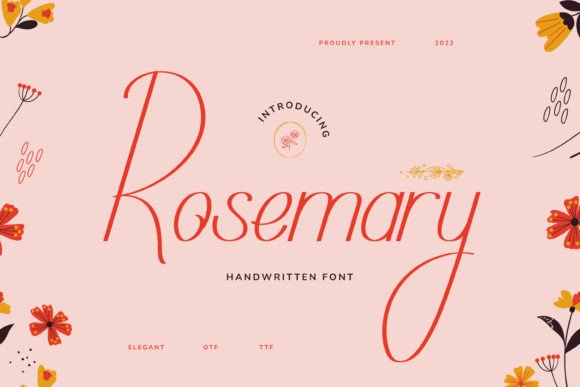
Rosemary is more than just a fragrant herb—it’s also a beautifully crafted typeface that brings elegance and charm to any design. With its delicate curves and timeless appeal, Rosemary feels equally charming and elegant, making it a popular choice for creative professionals across various industries. Whether you're designing wedding invitations or crafting business cards, this font adds a handwritten touch that feels personal and refined.
Understanding the Rosemary Font
The Rosemary font is a serif typeface known for its graceful strokes and soft serifs. It mimics the look of elegant handwriting, which gives it a warm and inviting feel. This makes it ideal for projects where a sense of intimacy and sophistication is desired. Its clean lines and balanced proportions ensure readability while maintaining an artistic flair.
What makes Rosemary particularly interesting is its versatility. It can be used for both digital and print media, adapting well to different sizes and formats. The font works especially well in designs that require a handwritten or calligraphic appearance, such as thank you cards, quotes, and greeting cards.
Applications of Rosemary in Design
- Wedding Invitations: Rosemary's elegant style complements the romantic and celebratory nature of weddings. It pairs beautifully with floral motifs and vintage illustrations, creating a cohesive and memorable design.
- Thank You Cards: A handwritten touch can make all the difference in expressing gratitude. Using Rosemary on thank you cards adds a personal and heartfelt element that recipients will appreciate.
- Quotes and Greeting Cards: The font's soft curves and flowing lines make it perfect for displaying inspirational quotes or holiday greetings. It enhances the emotional impact of the message.
- Logos and Branding: For brands aiming to convey warmth and approachability, Rosemary can serve as a subtle yet effective typographic element in logos and branding materials.
- Business Cards: Incorporating Rosemary into business cards can help create a unique identity that stands out from the crowd. It adds a professional yet personable touch.
Creative Possibilities with Rosemary
Designers can explore various creative possibilities by using Rosemary in different ways. Here are some ideas to spark inspiration:
- Layered Text Effects: Combine Rosemary with other fonts to create layered text effects. Use it for headings while pairing it with a sans-serif font for body text to maintain clarity and visual interest.
- Handwritten Illustrations: Pair Rosemary with hand-drawn illustrations or watercolor backgrounds to enhance the organic feel of the design. This combination works well for greeting cards and stationery.
- Custom Fonts: Modify Rosemary to suit specific brand needs. Adjust letter spacing, add ligatures, or experiment with variations to create a custom font that aligns with your brand's personality.
- Typography Art: Use Rosemary as a base for typography art pieces. Create compositions that highlight the beauty of each letterform, making them suitable for wall art or digital displays.
Adapting Rosemary for Different Goals
Rosemary can be adapted to meet various design goals depending on the audience and context. For instance, when targeting a younger demographic, designers might pair it with bold colors and modern layouts to create a fresh and dynamic look. On the other hand, for a more traditional audience, a minimalist approach with muted tones could work best.
When using Rosemary for digital platforms like websites or social media, it's important to consider legibility at smaller sizes. Ensure that the font remains readable even when scaled down. For print media, test the font on different paper types to see how it performs under various conditions.
Practical Tips for Using Rosemary
To get the most out of Rosemary, keep these practical tips in mind:
- Maintain Consistency: Use Rosemary consistently throughout your design to avoid visual clutter. Stick to one or two variations of the font to maintain a cohesive look.
- Balance with Other Elements: Don't overuse Rosemary. Balance it with other design elements like images, icons, and shapes to create harmony and visual interest.
- Experiment with Colors: Try different color palettes to see how they interact with Rosemary. Warm tones like gold and burgundy complement the font well, while cool tones offer a more contemporary feel.
- Test Across Devices: Ensure that Rosemary looks good on all devices, including desktops, tablets, and mobile phones. Test it in different resolutions and screen sizes to guarantee optimal performance.
Rosemary is a versatile and elegant font that can elevate any design project. Whether you're creating wedding invitations or designing logos, its unique charm and readability make it a valuable addition to your creative toolkit. By exploring different applications and adapting it to your specific needs, you can unlock new levels of creativity and produce stunning results that resonate with your audience.